
Getting started
How to Start Working Out When You Don’t Know Where to Begin
High In10sity Fitness
· 3 min read
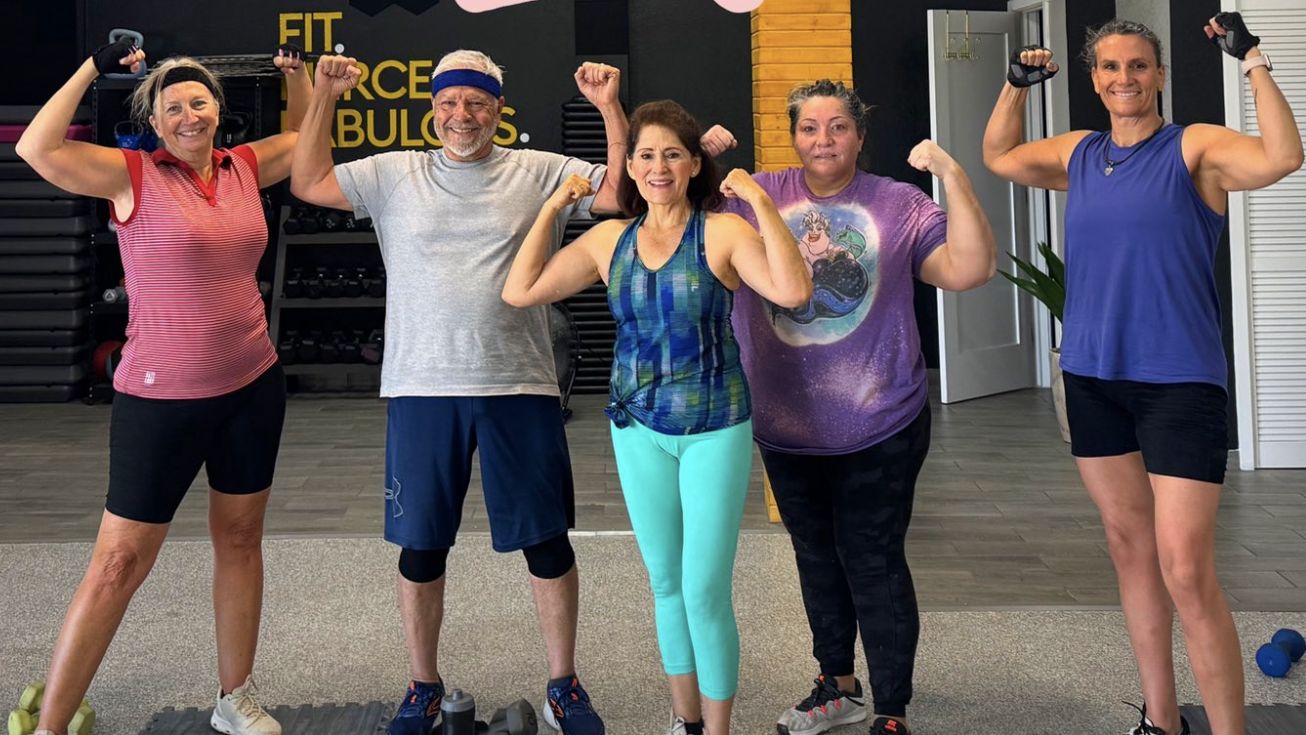
You do not need a perfect plan, a gym membership or a new version of yourself to begin exercising. You need a starting point that fits your life today. For women navigating school, work, family or a return to movement, the first goal is not to do everything. It is to make the next step feel possible.
Choose a reason that belongs to you
Before choosing exercises, finish this sentence: “I want movement to help me…” Your answer might be carrying groceries comfortably, feeling stronger during a sport, taking a break from studying or having more confidence with unfamiliar equipment. A goal connected to your everyday life is more useful than an appearance standard borrowed from someone else.
Write down one action you can control, such as trying a short strength session after school. You cannot control exactly how quickly your body adapts, but you can practice showing up, learning and noticing what feels manageable.
Make the first session a familiar one
Start with movements you can perform comfortably. Walking, sitting down and standing up from a stable chair, and pushing against a wall can offer accessible places to begin. Clear your space, wear comfortable clothing and use a stable surface. A first session can be short enough that you finish feeling capable rather than overwhelmed.
Move slowly enough to notice your balance and breathing. Begin with gentle movement before asking more of yourself. Stop if something causes pain, dizziness or unusual symptoms; do not treat pushing through as proof of commitment. Ask a qualified healthcare professional about symptoms or personal medical restrictions.
- Discuss a comfortable starting activity and suitable strength movements with your coach.
- Ask how to recognize suitable effort, when to rest and when to stop.
- Write down what felt easy, unfamiliar or uncomfortable so your next session has a clear starting point.
Build around the week you actually have
Look at your real calendar, including travel, homework, shifts and caregiving. Choose a realistic opening rather than designing a routine for an imaginary quiet week. Put your shoes or equipment somewhere visible and decide what will signal your start: arriving home, finishing a class or taking a lunch break.
Create a backup option, too. If your planned session no longer fits, a comfortable walk or a shorter version can keep movement connected to your day. Missing a session is information about your schedule, not a character flaw. Resume with the next practical opportunity instead of doubling up as punishment.
Let confidence grow through practice
Progress can look like remembering an exercise, feeling steadier or needing fewer reminders to begin. Record those changes alongside how you feel. Soreness, sweat and exhaustion are not requirements for a worthwhile workout. Recovery, meals and sleep belong in the routine, not outside it.
If you are 16 or 17, focus on learning, enjoyment and habits that support your growing body. Include a parent, guardian or trusted adult when arranging coaching and ask about age-appropriate guidance. You do not need to chase an adult’s routine or change your body to earn a place in fitness.
Ask for a plan, not a personality change
High In10sity Fitness offers online one-on-one coaching with custom workouts based on client goals, nutrition plans and phone check-ins. An inquiry is a chance to explain your starting point and ask how support could fit your life. Bring your goals, available equipment and questions. You can begin with curiosity, not certainty.
Health notice: This article is for general educational purposes and is not medical advice. Consult your physician or another qualified healthcare professional before starting or changing an exercise program, meal plan, diet, or supplement routine. Individual needs and results vary. Anyone under 18 should involve a parent or guardian and their healthcare professional.