
Online coaching
What to Ask Your Coach About Progress That Is Not a Scale Number
High In10sity Fitness
· 4 min read
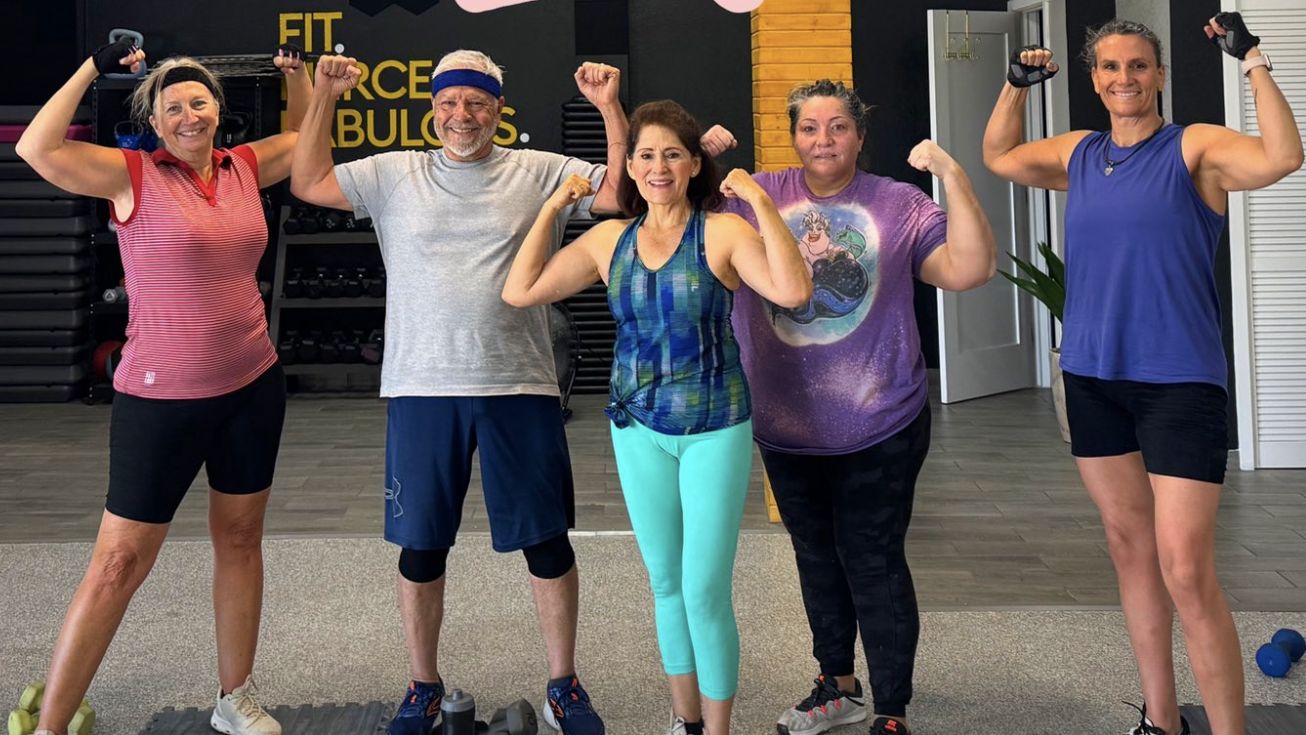
When people talk about fitness progress, the conversation often jumps straight to a number on a scale. That number is only one piece of information, and for many people it is not the piece that matters most. Progress can also look like learning a movement, feeling stronger in daily tasks, trusting your routine or walking into a workout with more confidence. Before you start coaching, it helps to put your own definition of success into words so your coach knows what you want to notice and celebrate.
Why your definition of success matters
Two people can follow similar routines and care about completely different outcomes. One may want to lift a heavier bag of groceries without strain; another may want to feel calm and capable in a gym setting; a parent may simply want energy left for the evening. None of these goals is smaller than another.
If your coach only hears about weight, the conversation can narrow quickly. Sharing what you actually value gives Danielle more context when building custom workouts and a nutrition plan around your goals, and it gives both of you better questions to return to during phone check-ins.
Name the kinds of progress you care about
You do not need precise measurements to describe what you hope will change. Think in plain language about the areas that feel meaningful right now, and choose the ones that genuinely matter to you rather than the ones you think you should care about.
- Skill: Are there movements you want to understand, perform with more control or feel less unsure about?
- Strength: Are there everyday tasks, like carrying, lifting or climbing stairs, you would like to feel easier?
- Confidence: Would you like to feel more comfortable training, asking questions or trying something new?
- Routine: Would showing up regularly, even in a busy week, feel like a win on its own?
- Energy and mood: Do you want to notice how training and balanced meals fit with how you feel day to day?
Questions to ask your coach
Once you know what matters to you, turn it into questions. You might ask: ‘Besides the scale, what signs of progress could we pay attention to?’ ‘How will we know whether my strength or confidence is improving?’ ‘What should I share during check-ins so you can see the changes I care about?’
You can also ask how to describe a difficult week. Progress is rarely a straight line, and knowing in advance that a slower stretch is part of the process can make it easier to stay honest instead of discouraged. Ask what kind of notes, if any, would be useful for you to keep.
Keep it personal, not comparative
Social media can make it seem as if everyone is chasing the same before-and-after picture. Your progress does not have to look like anyone else’s, and it does not need to be shared publicly to count. You can tell your coach directly if you prefer not to focus on body measurements or photos and would rather track skill, strength or consistency.
If you are 16 or 17, the most valuable progress usually looks like learning, enjoyment and building habits that support a growing body, not changing your size. Include a parent or guardian in the conversation and ask about guidance that is appropriate for your age.
Let food support the progress you want
Progress in strength and confidence is easier to build when meals support you. Balanced meals that include protein and quality carbohydrates can fuel training and recovery, and fruit and carbohydrates do not need to be treated as problems. Progress that is not a scale number is not a reason to eat less.
Danielle’s own approach includes avoiding added sugar and alcohol. You can ask how that approach relates to your goals without assuming it is a universal rule. Exact meals, portions, macros, workouts and supplement choices belong in your individual plan, not in a general article.
Bring your own success list to Danielle
Before your consultation, write two or three sentences that start with ‘I will feel successful when…’. Add one thing you would like to be able to do, one way you would like to feel and one habit you would like to keep. Then ask, ‘How can we notice progress toward these, even when the scale is not the focus?’ Results vary from person to person, and no particular outcome or timeline is promised.
High In10sity Fitness offers online one-on-one coaching with custom workouts based on client goals, nutrition plans and phone check-ins. Use the coaching consultation form to share your success list with Danielle. The details of how progress is reviewed belong in that personalized conversation.
Health notice: This article is for general educational purposes and is not medical advice. Consult your physician or another qualified healthcare professional before starting or changing an exercise program, meal plan, diet, or supplement routine. Individual needs and results vary. Anyone under 18 should involve a parent or guardian and their healthcare professional.