Nutrition
How to Plan Balanced Meals When Your Family Has Different Preferences
High In10sity Fitness
· 4 min read
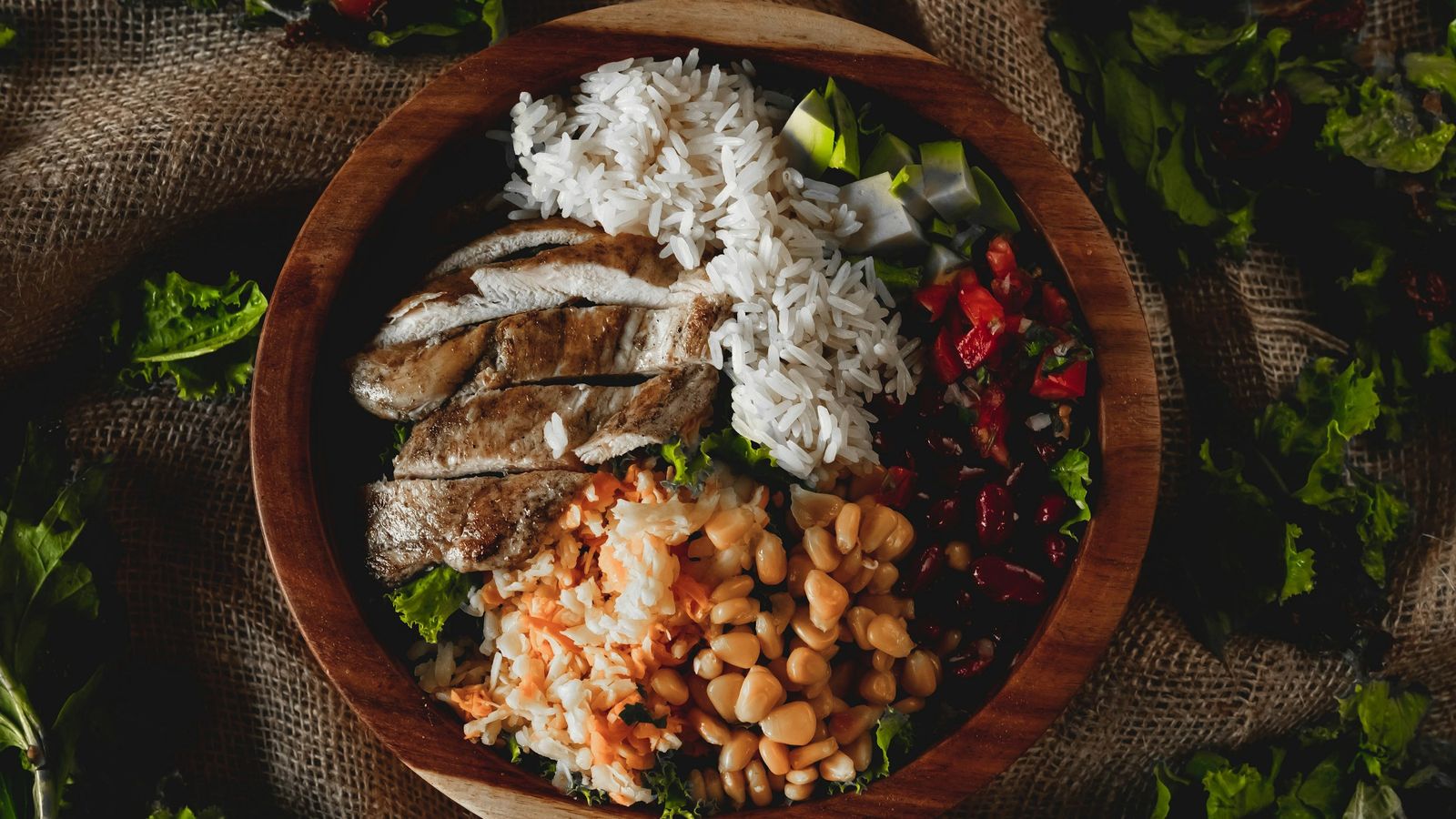
One person wants pasta, another refuses vegetables, someone has practice until seven and you are trying to eat in a way that supports strength and energy. Planning balanced meals in a household with different preferences can feel like running a restaurant. The goal here is not a perfect menu for everyone. It is a flexible approach that lets you eat well without cooking four separate dinners or turning the table into an argument.
Start with a family conversation, not a new rule
Changes go more smoothly when the people you eat with understand what you are trying to do. Instead of announcing that the household is "eating healthy now," explain what matters to you: feeling stronger, having steady energy for workouts or simply sitting down together more often. Then ask what matters to them.
Useful questions include: "Which meals do you actually look forward to?" "What nights are hardest for dinner?" and "Is there one new food you would be willing to try?" Listening first makes it more likely that others will cooperate, and it gives you real information to plan around rather than guesses.
Build a shared base with flexible additions
A practical pattern is to make one shared base and let each person finish their own plate. Think of meals built from components: a protein, a quality carbohydrate, vegetables or fruit, and a sauce or topping. Everyone eats from the same pan or tray, but they can combine the pieces differently.
Bowls, tacos, wraps, sheet-pan dinners and build-your-own plates work well for this. Someone who loves rice can add more rice; someone who wants extra vegetables can add those. Your own plate can include protein and quality carbs that support your training without anyone else feeling that their dinner was taken away. Fruit and carbohydrates are part of a balanced plate, not foods to fear.
Keep favorites, adjust the edges
You do not need to remove every family favorite. Small, respectful adjustments often work better than replacing a meal entirely. Add a protein to a dish that is usually light on it, serve a vegetable side alongside a popular main, or keep the familiar recipe and add one new option to the table.
Danielle's own approach includes limiting added sugar and alcohol. That is a personal coaching approach, not a rule your whole household must adopt overnight. If you want to move in that direction, focus on what you add to your plate and let conversations about other changes happen gradually.
Plan around the calendar, not just the menu
Different preferences often collide with different schedules. Look at the week ahead and notice which evenings are rushed. On those nights, choose meals that can be reheated, assembled quickly or eaten at different times without losing quality. Save more involved cooking for evenings when people are actually home together.
Involving others helps, too. A teen can choose one dinner a week, help prepare a component or pack their own lunch from shared leftovers. Giving people a role builds buy-in and teaches practical skills, which matters more than getting every meal exactly right.
Talk about food in a supportive way
How food is discussed shapes how people feel at the table, especially for children and teens. Keep the focus on energy, strength, enjoying meals together and trying new things. Avoid labeling foods as good or bad, commenting on anyone's body or tying meals to weight loss. Anyone under 18 should not be pressured toward weight goals; strength, confidence and healthy habits are better priorities.
If someone in your home has a medical condition, allergy or specific dietary need, that belongs with a qualified healthcare professional rather than a general article or household experiment.
When to get personalized support
General ideas can help you get started, but they cannot account for your training, schedule, preferences and the people you cook for. This article does not provide menus, portions or macros, because those details should be personal.
High In10sity Fitness offers online one-on-one coaching with custom workouts based on client goals, nutrition plans and phone check-ins. If you want help building meals that support your own goals while still fitting your family table, use the coaching consultation form to share what your week looks like.
Health notice: This article is for general educational purposes and is not medical advice. Consult your physician or another qualified healthcare professional before starting or changing an exercise program, meal plan, diet, or supplement routine. Individual needs and results vary. Anyone under 18 should involve a parent or guardian and their healthcare professional.