Consistency
How to Make Your Home Workout Space Fit a Shared Household
High In10sity Fitness
· 4 min read
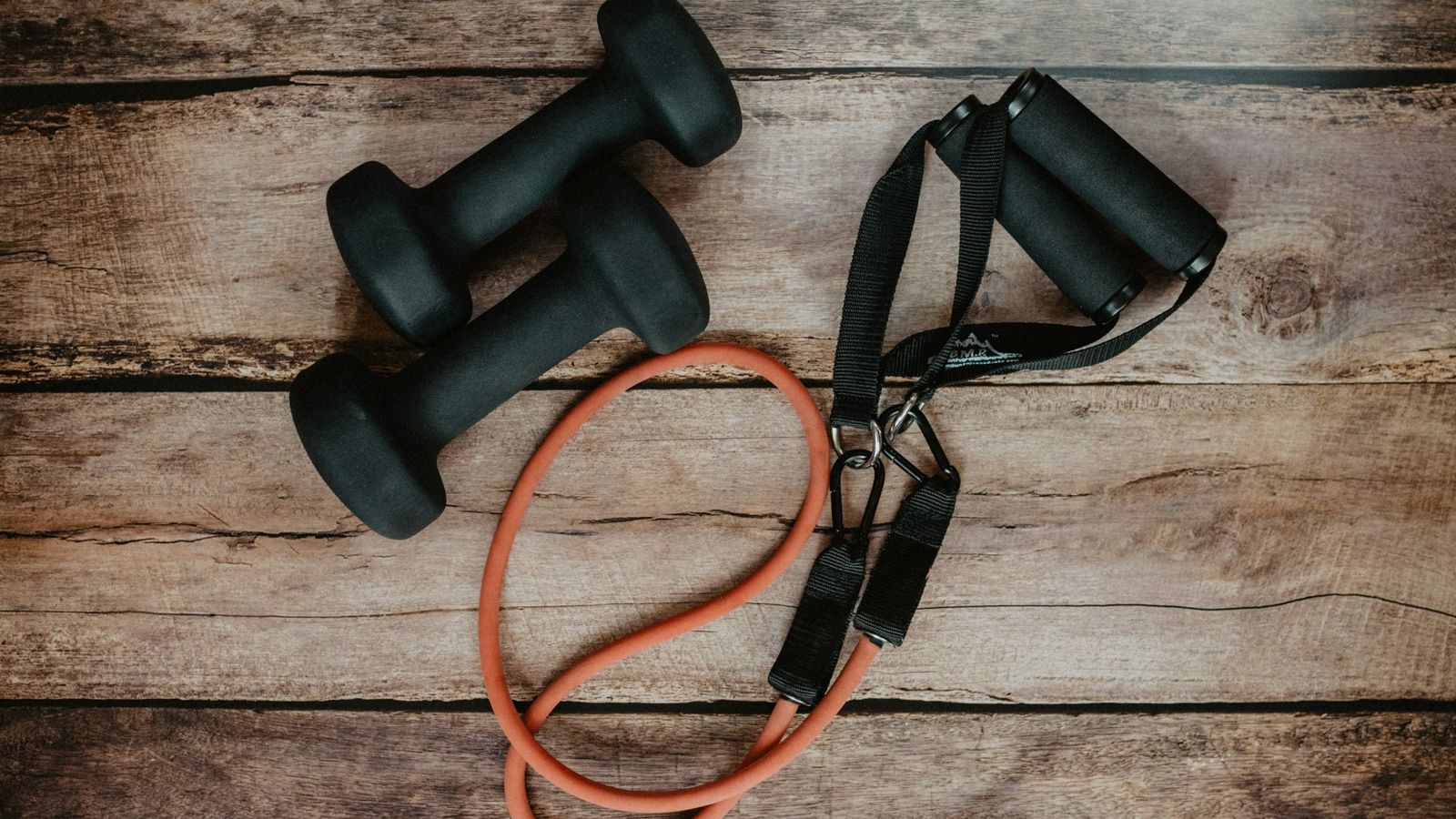
Working out at home sounds simple until you realize the living room is also the homework table, the play area and the place someone else watches television. In a shared household, the hardest part of home training is often not the workout itself. It is finding space, time and a little privacy without creating friction. This article focuses on the practical side: how to talk with the people you live with, how to use the room you already have and how to keep your routine steady when the house is busy.
Start by noticing how your home is actually used
Before moving furniture or making plans, spend a few days paying attention. Which rooms are quiet in the early morning? When does the kitchen fill up? Is there a corner, hallway or bedroom floor that stays mostly empty at certain hours? You are looking for the realistic overlap between open space and your own available time.
Write down two or three possible windows and places. This keeps the conversation with your household concrete. "Can I use the living room from 6:00 to 6:40 on weekdays?" is much easier to agree on than "I need space to work out."
Have the conversation before the conflict
People are usually more supportive when they are asked rather than surprised. Explain why training matters to you, such as building strength, feeling more confident or having steady energy, and then ask how your plan affects them.
Helpful questions include: "Is there a time when my workout would get in your way?" "Would music or noise bother you at that hour?" "Can we agree on a signal that means I am in the middle of a session?" and "What would make this easier for you?" Listening first turns your workout space into a shared agreement instead of a territory dispute.
If you live with children, decide together what they can do during your session. Some kids like to join in or count along; others need a quiet activity nearby. Either is fine. Your routine does not have to look like a gym to be worthwhile.
Make a small space easy to set up and put away
You do not need a dedicated room. Many home routines fit in the space of a mat with a little room to move around it. What helps most is reducing setup time. Keep whatever you already use for training together in one bag, basket or shelf so you can start quickly and clear the area quickly when you finish.
Look for a clear, non-slippery floor area away from sharp corners, fragile items and walkways. Check that you have enough room overhead and to each side for the movements in your plan. A few minutes of moving a chair or coffee table is often all it takes. This is not a reason to buy new equipment; start with what you have and the room you have.
Protect your privacy and focus
Some people feel self-conscious training where others can see them, especially when learning something new. That is normal. Facing a wall, closing a door, using headphones or choosing a time when fewer people are home can make sessions feel more comfortable.
If you film your form for a coach, think about what appears in the background and who is in the room. Ask household members before recording them, and keep personal spaces such as bedrooms or children out of the frame unless everyone is comfortable. Before starting any coaching, it is reasonable to ask how videos or photos you share would be handled.
Plan for interruptions instead of fighting them
In a busy home, interruptions are part of the plan. Someone will need a ride, a snack or help finding a shoe. Rather than treating that as a failed session, decide in advance what you will do: pause and return, finish a shorter version or move the session to your backup window.
Having a backup time and a shorter option keeps consistency realistic. A session that bends around family life is more sustainable than a perfect one that only happens when the house is empty.
Bring your setup into coaching
Your space, schedule and household are real factors in what kind of training will work for you. This article does not prescribe exercises or equipment, because those choices should fit your goals and your home.
High In10sity Fitness offers online one-on-one coaching with custom workouts based on client goals, nutrition plans and phone check-ins. If you want a plan that respects the space and people you live with, use the coaching consultation form to describe your setup and the times that tend to be open.
Health notice: This article is for general educational purposes and is not medical advice. Consult your physician or another qualified healthcare professional before starting or changing an exercise program, meal plan, diet, or supplement routine. Individual needs and results vary. Anyone under 18 should involve a parent or guardian and their healthcare professional.