Nutrition
How to Keep Family Food Traditions While Working With an Online Coach
High In10sity Fitness
· 4 min read
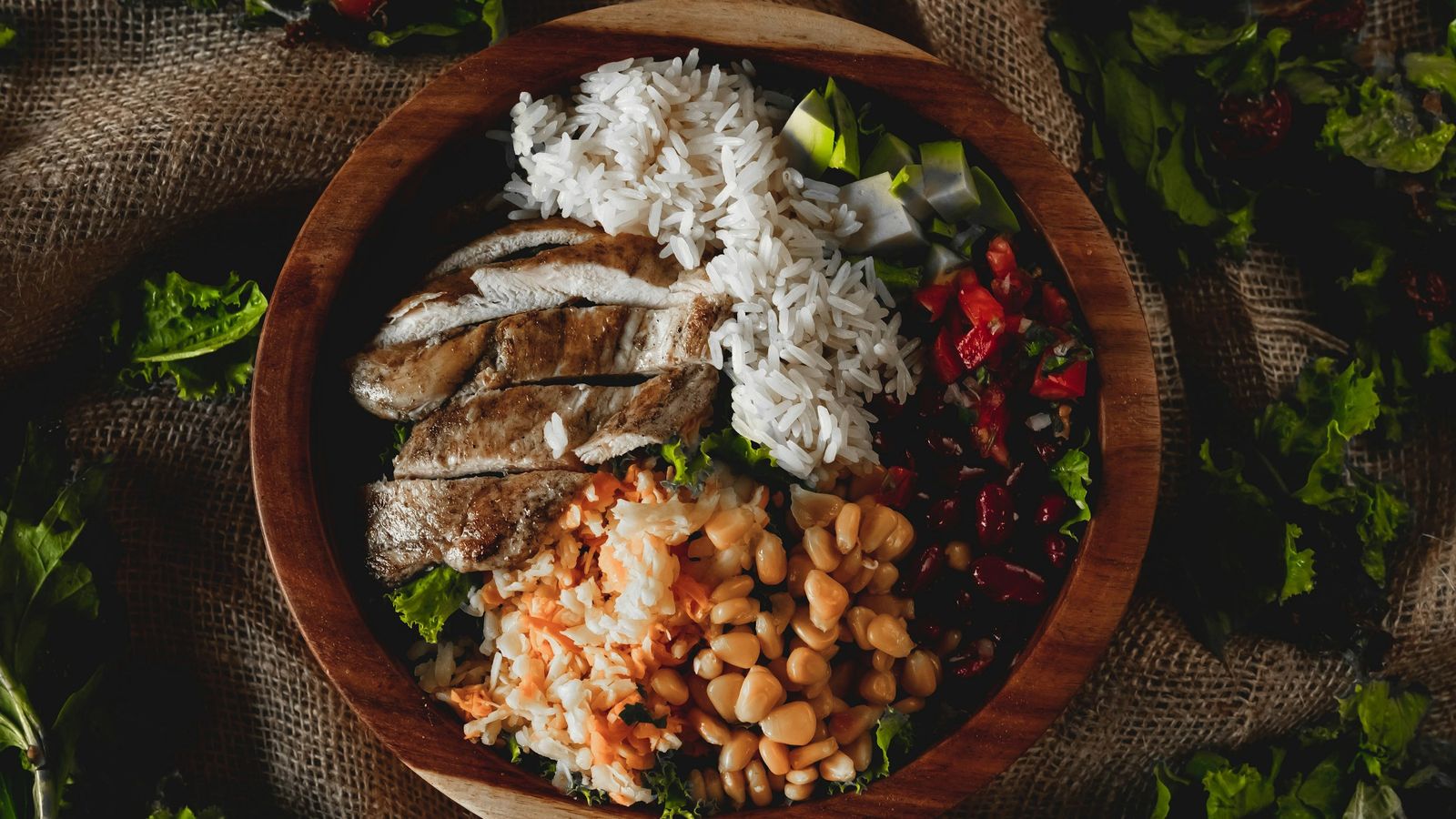
Some foods are more than fuel. They are the recipe your grandmother taught you, the dish that shows up at every birthday, the Sunday meal that brings everyone home. When you start working toward strength and energy goals, it is natural to wonder whether those foods still have a place. They can. The key is to share what they mean to you early, so your plan is built around your life instead of asking you to leave part of it behind.
Why traditions belong in the conversation
A nutrition plan that ignores the foods you grew up with can be hard to follow for long. You may feel like you are choosing between your goals and your family, or quietly skipping plan meals during holidays and then feeling as if you failed. That is not a willpower problem. It usually means the plan was missing important information.
Traditional dishes often already include valuable building blocks: beans, rice, tortillas, potatoes, stews with meat or fish, fresh produce and homemade sauces. Talking about them openly helps a coach see what is already working and where small adjustments might support your training, rather than treating familiar foods as something to replace.
Make a short list of the foods that matter most
Before a consultation, take a few minutes to write down the foods and meals you would not want to give up. You do not need to defend them. Simply naming them gives your coach a clearer picture of your week and your values.
- Which dishes do you eat most often at home, and who usually cooks them?
- Which foods are tied to holidays, celebrations, faith practices or family gatherings?
- Are there recipes you cook to stay connected to a parent, grandparent or your culture?
- Which meals do your children or partner expect, and which ones are flexible?
- Are there foods you feel guilty about that you would like to talk through honestly?
Describe how and when you eat them
Context matters as much as the food itself. A dish eaten at a large monthly gathering fits into a week differently than one made every night. Share whether a tradition happens daily, weekly or a few times a year, whether you cook it or someone else serves it, and what the rest of that day usually looks like.
It also helps to mention social expectations. In many families, declining a second plate or skipping dessert can feel like turning down love. If those moments are stressful for you, say so. A coach can help you think through approaches that feel respectful to the people at the table and to your own goals.
Questions to ask about your plan
You are allowed to ask how a plan will treat your food culture. Clear questions lead to clearer answers and a plan you are more likely to trust.
- "How can my usual family meals fit into a plan that supports strength and lean muscle?"
- "What would you suggest adding to a traditional dish rather than removing from it?"
- "How should I approach holidays and celebrations without feeling like I am off track?"
- "What should I share during phone check-ins when a family event changes my week?"
Balance, not restriction
Danielle's coaching approach centers on balanced meals with protein and quality carbohydrates that support strength, lean muscle and steady energy. Carbohydrates and fruit are part of that balance; tortillas, rice and potatoes are not foods to fear. Her own approach also includes limiting added sugar and alcohol. That is a personal coaching direction to discuss together, not a rule that erases desserts or celebrations from your culture.
For teens and parents cooking for teens, keep the focus on strength, confidence and healthy habits. Family meals are a place to enjoy food and each other, not to comment on bodies or weight.
Bring your traditions to a consultation
This article does not provide menus, portions or macros, because those details depend on your goals, schedule and the foods you love. High In10sity Fitness offers online one-on-one coaching with custom workouts based on client goals, nutrition plans and phone check-ins. Personalized recommendations are reserved for that coaching relationship.
If you want a plan that respects your family table, use the coaching consultation form and share a few of the dishes that matter most to you. That is a meaningful place to start.
Health notice: This article is for general educational purposes and is not medical advice. Consult your physician or another qualified healthcare professional before starting or changing an exercise program, meal plan, diet, or supplement routine. Individual needs and results vary. Anyone under 18 should involve a parent or guardian and their healthcare professional.