Nutrition
How to Discuss Budget and Grocery Access With Your Online Coach
High In10sity Fitness
· 4 min read
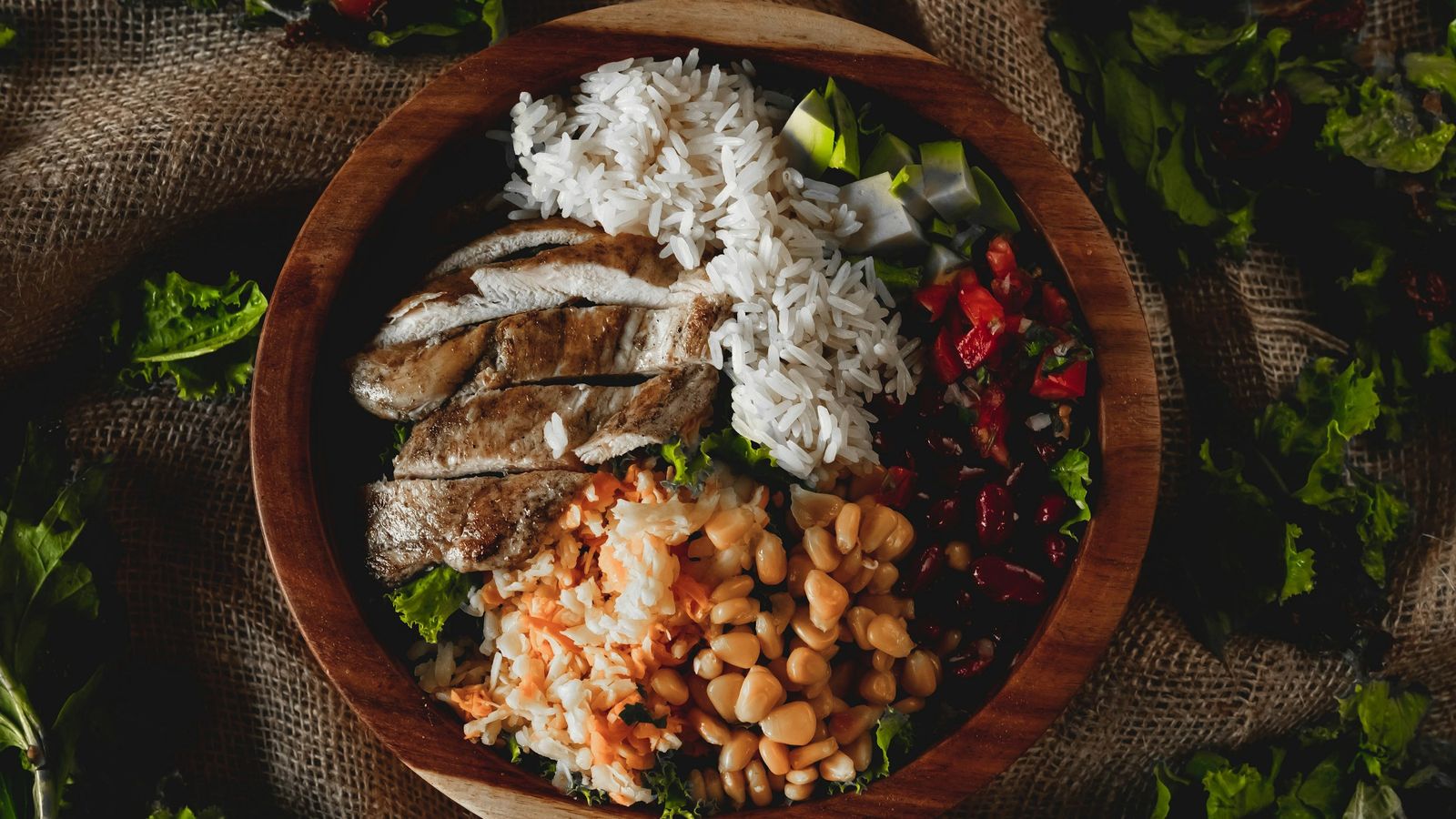
A nutrition plan only helps if it fits the food you can actually get, afford and prepare. Many people hesitate to mention money, distance to a store or a small kitchen because it feels personal or a little embarrassing. It is neither. Describing your resources honestly is one of the most useful things you can bring to a coaching conversation, because it lets your coach work with your real week instead of an imagined one.
Why resources belong in the conversation
Two people with the same goal can live very different weeks. One may shop at a large store every few days; another may rely on a small market, a shared family budget or whatever is available near work or school. Neither situation is better or worse. It is simply information.
When you share it early, you avoid a plan built around ingredients you rarely see or meals that take more time and money than you have. You also make it easier to ask questions later without feeling that you have fallen short of something that never fit in the first place.
Describe your budget in a way that feels comfortable
You do not need to share an exact number unless you want to. A general description often works well: whether your food budget feels tight, steady or flexible, whether it changes between paychecks, and whether you shop for yourself alone or for a household. You can also mention if money is managed by someone else, such as a parent, partner or roommate.
If you are 16 or 17, food shopping is often a family decision. Involve a parent or guardian in this part of the conversation so any plan respects what your household already buys and how it is shared.
Explain where and how you get food
Access is about more than cost. Think about the places you realistically get food during a normal week and what makes each one easy or hard. You are describing conditions, not choosing stores or products; your coach does not need a shopping list from you.
- Stores: Which places are close, which require a longer trip, and how often can you get there?
- Transportation: Do you drive, walk, take transit or depend on someone else’s schedule?
- Other sources: Do you use delivery, a school or work cafeteria, community food programs or shared family meals?
- Timing: Are there days when shopping is simply not possible?
Share your kitchen, storage and time
A plan also has to match where food is stored and prepared. Mention whether you have a full kitchen, a shared kitchen, limited refrigerator or freezer space, or only a microwave at work. Say roughly how much time you usually have to prepare food on busy days and on calmer days.
It is also fair to name what you enjoy and what you will honestly skip. If you dislike cooking on weeknights or have one evening each week when you like to cook more, that matters. Balanced meals that include protein and quality carbohydrates can come together in many ways, and fruit and carbohydrates do not need to be treated as problems.
Keep the focus on support, not restriction
A conversation about budget is not a reason to eat less or to cut out foods you value. For women ages 16 and older, including busy parents, the aim is fueling strength, lean muscle and confidence with food that is realistic for your life. If a tight budget ever means you are regularly skipping meals, say so plainly; it is important information, and a qualified healthcare professional or local community resource may also be able to help.
Danielle’s own approach includes avoiding added sugar and alcohol. You can ask how that approach relates to your goals and your grocery situation without assuming it is a universal rule. Exact meals, portions, macros or supplement choices belong in your individual nutrition plan, not in a general article.
Bring a short resource summary to Danielle
Before your conversation, jot down a few lines: how your budget feels, where you usually get food, how you get there, what your kitchen and storage look like, how much time you have and one thing you find hardest. Then ask, ‘Based on my goals and these resources, what would be realistic for me?’ Your coach can decide what fits; you do not need to have the answers yourself.
High In10sity Fitness offers online one-on-one coaching with custom workouts based on client goals, nutrition plans and phone check-ins. Use the coaching consultation form to share your summary with Danielle. Detailed nutrition decisions belong in that personalized conversation.
Health notice: This article is for general educational purposes and is not medical advice. Consult your physician or another qualified healthcare professional before starting or changing an exercise program, meal plan, diet, or supplement routine. Individual needs and results vary. Anyone under 18 should involve a parent or guardian and their healthcare professional.